
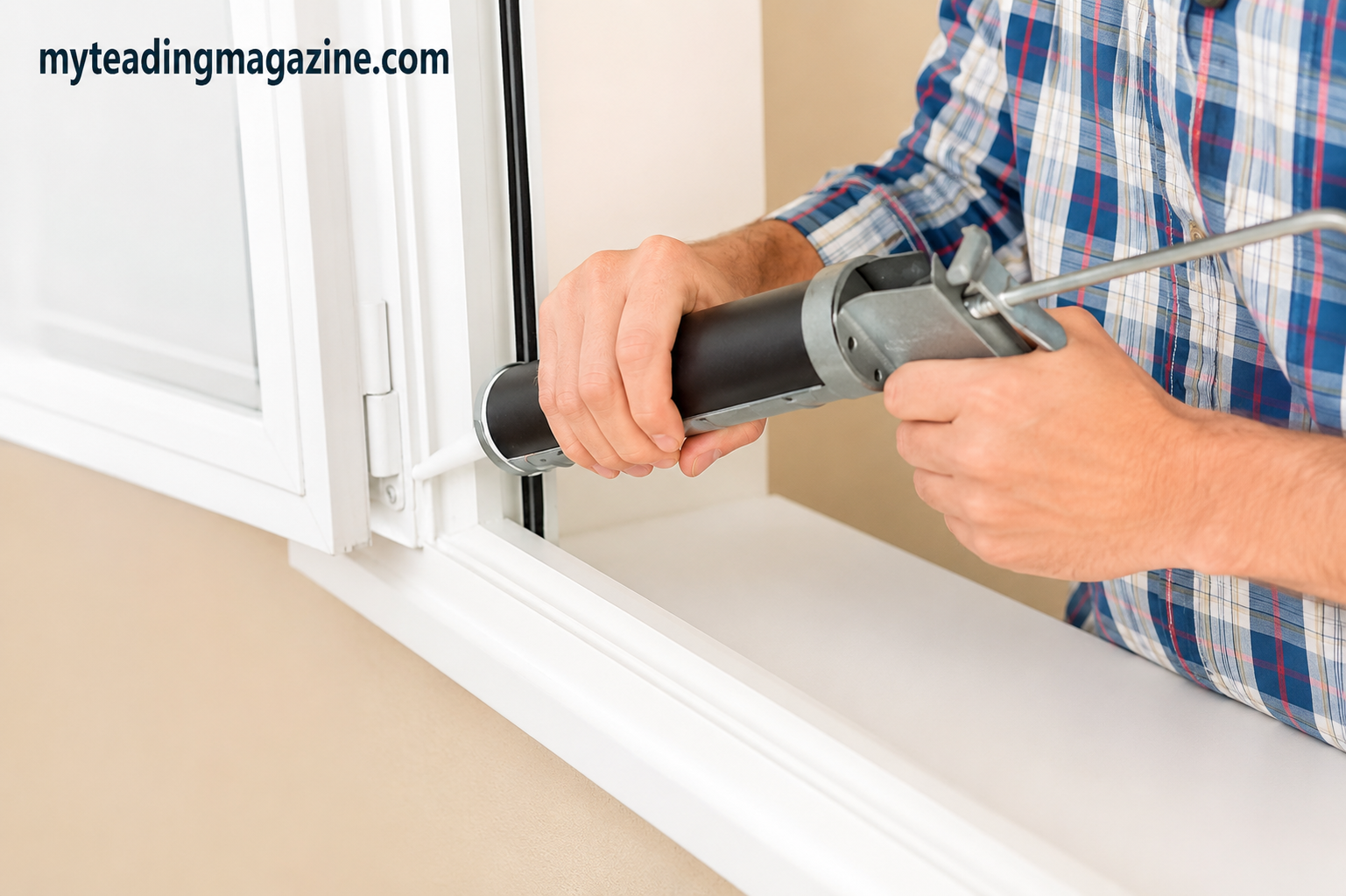
Windows play a critical role in every home. They bring in natural light, improve ventilation, and enhance the overall appearance of a property. However, even the highest-quality windows can develop gaps, cracks, and deteriorating seals over time. Learning how to reseal windows is one of the most effective ways to prevent drafts, reduce moisture problems, and improve indoor comfort without the expense of full window replacement.
Whether you’re dealing with cold air entering during winter, water leaks during storms, or rising utility bills throughout the year, window resealing can provide a practical and cost-effective solution. This guide explains everything you need to know, from identifying failed seals to choosing the right materials and applying them correctly for long-lasting results.
Window Resealing Overview
Before beginning a resealing project, it helps to understand the basics of window sealing and why it matters.
| Aspect | Details |
|---|---|
| Purpose | Prevent air and water infiltration |
| Typical Lifespan of Sealant | 5–20 years depending on material |
| Common Materials | Silicone, acrylic latex, polyurethane caulk |
| DIY Difficulty | Beginner to intermediate |
| Time Required | 1–4 hours per window |
| Main Benefits | Energy savings, moisture control, comfort improvement |
Why Window Seals Fail Over Time
Window seals endure constant exposure to changing temperatures, sunlight, rain, wind, and humidity. As building materials expand and contract, the sealants surrounding the window frame gradually weaken.
Older homes often experience seal deterioration because the original caulk becomes brittle and cracks. Newer homes are not immune either. Poor installation practices, foundation movement, and weather exposure can accelerate seal failure.
Think of window sealant as a flexible barrier. Over the years, that barrier loses elasticity and develops openings. Once gaps appear, air and moisture begin finding pathways into the home.
In regions with extreme seasonal temperature swings, this process often happens faster. Hot summers can dry out sealants, while freezing winters can cause cracking and separation from surrounding surfaces.
Signs That Your Windows Need Resealing
Recognizing the warning signs early can prevent more expensive repairs later.
One of the most noticeable indicators is a draft near the window. If you can feel cold or warm air entering around the frame, the seal has likely deteriorated.
Another common sign is water intrusion. During heavy rain, moisture may seep around the edges of the window, causing stains, peeling paint, or mold growth.
Condensation between glass panes may also indicate a failed insulated glass seal. While exterior caulking won’t repair internal glass seal failure, it can still help prevent additional air and water infiltration around the frame.
Homeowners should also watch for increased energy bills. Poorly sealed windows force heating and cooling systems to work harder, leading to unnecessary energy consumption.
Understanding Different Types of Window Seals
Before learning how to reseal windows, it’s important to understand that not all seals are the same.
Exterior Perimeter Seals
These seals are located around the outside edges of the window frame. Their primary purpose is preventing water and outside air from entering the building envelope.
Laser Level Laser: The Complete Guide to Precision Alignment and Modern Measuring
Interior Seals
Interior caulking improves appearance and provides an additional barrier against air movement. While less exposed to weather, interior seals can crack due to age and structural movement.
Insulated Glass Unit Seals
Modern double-pane and triple-pane windows contain factory-installed seals between glass layers. When these fail, fogging develops between panes.
These seals cannot typically be repaired with standard caulk and often require glass replacement.
Tools and Materials Needed
Having the proper equipment makes the job easier and produces better results.
Most resealing projects require:
- Caulk gun
- Utility knife or scraper
- Silicone or polyurethane sealant
- Cleaning cloths
- Rubbing alcohol or cleaner
- Putty knife
Choosing high-quality sealant is particularly important. Cheap products may fail prematurely, resulting in repeated maintenance.
For most exterior applications, 100% silicone sealant provides excellent flexibility and weather resistance. Polyurethane sealants are also highly durable and suitable for demanding conditions.
How to Reseal Windows Step by Step
The process of how to reseal windows is relatively straightforward when approached carefully.
Step 1: Inspect the Existing Seal
Begin by examining the entire perimeter of the window. Look for cracks, gaps, peeling caulk, and areas where the seal has separated from the frame.
Pay close attention to corners, as these areas frequently experience failure first.
Taking photos before beginning can help track problem areas and ensure no sections are overlooked.
Step 2: Remove Old Caulk
Removing deteriorated material is one of the most important steps.
Use a utility knife or caulk removal tool to cut away old sealant. Pull loose sections carefully to avoid damaging surrounding surfaces.
Many homeowners make the mistake of applying new caulk over old material. Unfortunately, this often creates weak adhesion and shortens the lifespan of the repair.
Clean removal creates a solid foundation for the new seal.
Step 3: Clean the Surface Thoroughly
After removing old caulk, clean the area thoroughly.
Dust, dirt, grease, and moisture can interfere with adhesion. Use rubbing alcohol or an appropriate cleaning solution to prepare the surface.
Allow everything to dry completely before moving forward.
A clean surface dramatically improves the durability of the finished seal.
Step 4: Apply New Sealant
Load the sealant tube into the caulk gun and cut the nozzle at a 45-degree angle.
Apply a continuous bead along the joint where the window frame meets the surrounding material. Maintain steady pressure and consistent speed.
Avoid stopping frequently, as uneven application can create weak points.
The goal is a smooth, uninterrupted seal that fills all gaps completely.
Step 5: Tool and Smooth the Bead
Immediately after application, smooth the sealant using a caulk finishing tool or a damp finger.
This step improves both appearance and performance. Proper tooling pushes the material deeper into gaps while creating a uniform finish.
Work quickly because many sealants begin forming a skin within minutes.
Step 6: Allow Proper Curing Time
Most sealants require several hours to several days for full curing.
Follow the manufacturer’s recommendations carefully. Avoid exposing freshly applied sealant to water until curing is complete.
Patience during this stage ensures maximum strength and longevity.
Choosing the Right Sealant for Your Windows
Different situations call for different sealing products.
| Sealant Type | Advantages | Best Uses |
|---|---|---|
| Silicone | Flexible, waterproof, durable | Exterior windows |
| Acrylic Latex | Easy cleanup, paintable | Interior applications |
| Polyurethane | Extremely durable, strong adhesion | High-exposure areas |
| Hybrid Sealants | Flexible and versatile | Mixed indoor/outdoor projects |
Silicone remains one of the most popular choices because it resists UV damage and maintains flexibility for many years.
For painted interior trim, acrylic latex products often provide a cleaner finish and easier maintenance.
Common Mistakes to Avoid When Resealing Windows
Even simple projects can go wrong if shortcuts are taken.
One frequent mistake is applying sealant in wet conditions. Moisture prevents proper adhesion and can trap water beneath the new seal.
Another issue is selecting the wrong product. Interior-grade materials may fail quickly when exposed to outdoor weather.
Poor surface preparation is equally problematic. Dirt, dust, and leftover caulk reduce bonding strength and increase the likelihood of premature failure.
Some homeowners also use excessive sealant. Larger beads do not necessarily create stronger seals. Proper placement and adhesion matter far more than volume.
How Weather Affects Window Seal Performance
Weather plays a major role in both seal failure and successful repairs.
Most manufacturers recommend applying sealants when temperatures are moderate. Extremely hot or cold conditions can affect curing and flexibility.
Rain is another concern. Freshly applied sealant needs adequate drying time before exposure to moisture.
Seasonal maintenance inspections are valuable because they help identify minor issues before they become major leaks.
A good analogy is maintaining a roof. Small repairs performed early are usually simple and inexpensive, while neglected damage can become costly.
Energy Efficiency Benefits of Resealed Windows
Many homeowners initially focus on stopping drafts, but resealing windows offers broader benefits.
When air leaks are reduced, heating and cooling systems operate more efficiently. Conditioned air remains inside longer, reducing workload on HVAC equipment.
This often translates into lower monthly utility costs. While savings vary by home and climate, improved sealing contributes to overall energy conservation.
Additionally, indoor temperatures become more consistent. Rooms near windows often feel noticeably more comfortable after resealing.
Noise reduction can also improve. Properly sealed windows block outdoor sounds more effectively than windows with visible gaps and cracks.
When Resealing Is Not Enough
Although resealing solves many problems, it cannot fix every window issue.
Windows with severe structural damage, rotted frames, or failed insulated glass units may require more extensive repairs.
Fogging between double-pane glass layers usually indicates internal seal failure. In such cases, replacing the insulated glass unit is often necessary.
Similarly, windows that no longer open or close properly may suffer from hardware or frame issues beyond simple sealing concerns.
Understanding these limitations helps homeowners make informed decisions and avoid wasting time on ineffective repairs.
Real-World Example: A Small Fix With Big Results
Consider a homeowner who notices cold drafts near a living room window during winter. Initially, they assume the entire window must be replaced.
After a careful inspection, they discover multiple gaps in the exterior caulk. The old sealant has cracked and separated from the siding.
By removing the deteriorated material and applying new silicone sealant, they eliminate the drafts entirely. The room becomes more comfortable, and heating costs decrease during the season.
This example highlights why learning how to reseal windows can be so valuable. Sometimes a relatively simple repair delivers significant improvements without major expense.
Long-Term Maintenance Tips
Window resealing is not a one-time task. Like any part of a home, seals require periodic inspection.
Check windows at least twice each year. Spring and fall inspections work particularly well because they occur before extreme weather seasons.
Look for cracking, shrinking, separation, or discoloration. Addressing small problems immediately prevents larger failures later.
Keep exterior surfaces clean and ensure gutters direct water away from windows. Excess moisture can accelerate seal deterioration.
Routine maintenance extends the lifespan of both the sealant and the window itself.
How to Reseal Windows in Older Homes
Older homes often present unique challenges.
Wood frames may have experienced decades of expansion, contraction, and weather exposure. Existing gaps can be larger and less uniform than those found in newer construction.
In these situations, careful preparation becomes even more important. Removing all loose material and addressing any wood deterioration before sealing ensures better results.
Some historic homes may also require specialty products compatible with traditional building materials.
Taking extra time during preparation often makes the difference between a temporary repair and a lasting solution.
Conclusion
Learning how to reseal windows is a practical skill that can improve comfort, reduce energy loss, and protect a home from moisture damage. Window seals naturally deteriorate over time due to weather exposure, age, and structural movement, but timely resealing can restore their effectiveness and extend the life of the windows.
The key to success lies in proper preparation, selecting the right sealant, and applying it carefully. By removing old caulk, cleaning surfaces thoroughly, and using high-quality materials, homeowners can achieve professional-looking results that last for years.
Whether you’re addressing drafts, preventing leaks, or improving indoor comfort, resealing windows remains one of the most cost-effective home maintenance projects available. With regular inspections and proactive care, your windows can continue performing efficiently through every season.
Frequently Asked Questions (FAQs)
1. How often should windows be resealed?
Most window sealants last between 5 and 20 years depending on material quality, climate, and exposure. Annual inspections help determine when resealing is needed.
2. Can I reseal windows without removing old caulk?
It’s not recommended. New sealant adheres best to clean surfaces, and applying it over deteriorated caulk often leads to premature failure.
3. What is the best sealant for exterior windows?
100% silicone sealant is generally considered one of the best options because it offers excellent weather resistance, flexibility, and durability.
4. Will resealing windows stop condensation between glass panes?
No. Condensation between panes usually indicates a failed insulated glass seal inside the window unit, which often requires glass replacement.
5. Is window resealing a DIY-friendly project?
Yes. Most homeowners can successfully reseal windows with basic tools, proper preparation, and attention to detail during application.





Leave a Reply