
Introduction
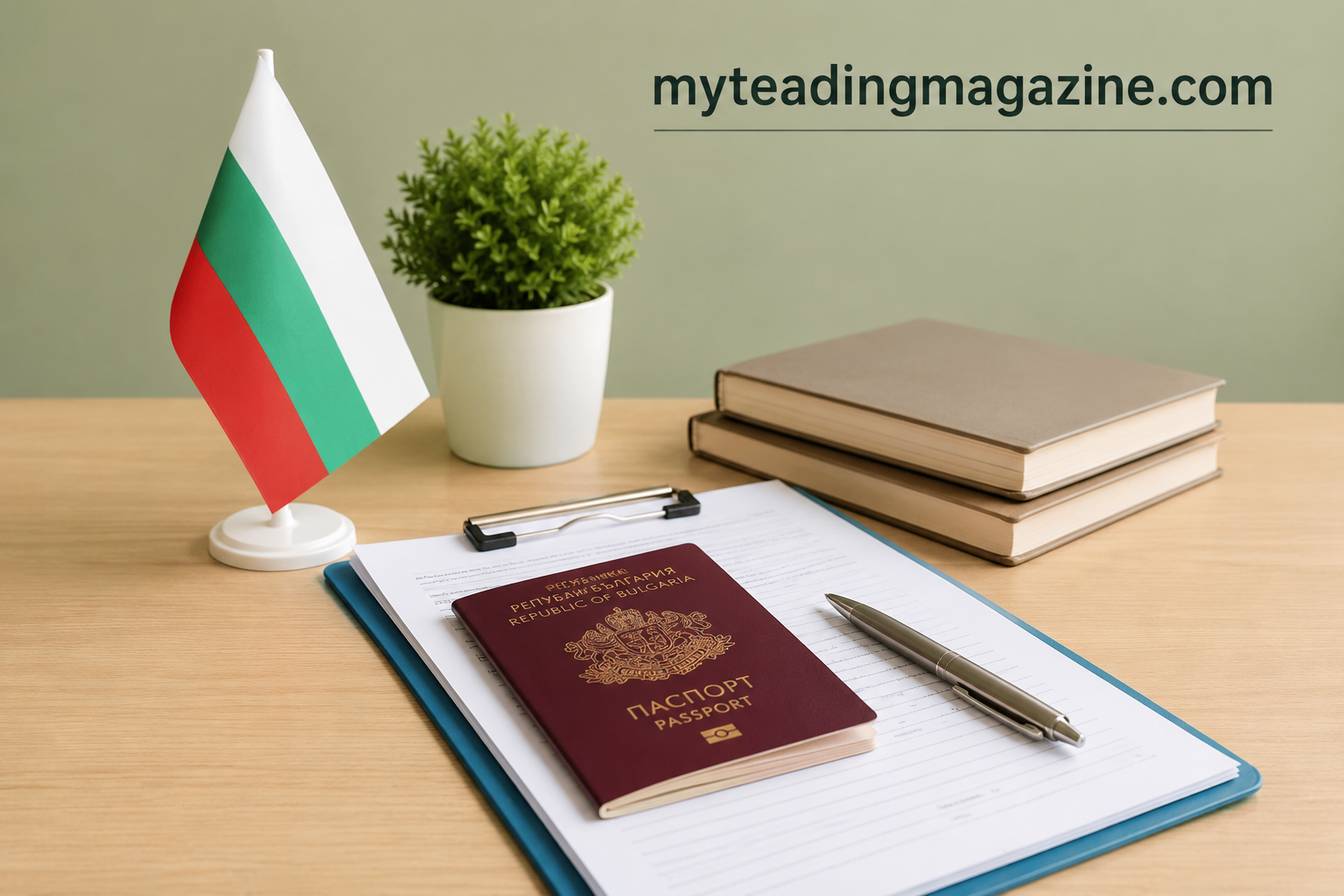
Obtaining Bulgarian citizenship and a passport is an important goal for many people seeking greater mobility, European Union rights, and expanded opportunities. One of the most common concerns during the application process involves the prasanja za bugarski pasos, a phrase commonly used to refer to the questions, interviews, and information applicants may encounter while pursuing a Bulgarian passport. Understanding these questions in advance can significantly reduce stress and help applicants prepare effectively.
A Bulgarian passport is highly valued because it grants access to the European Union, visa-free travel to many countries, and the right to live, work, and study across EU member states. However, the process can seem complex, especially for applicants with Bulgarian ancestry, those applying through naturalization, or individuals seeking citizenship through family connections.
This comprehensive guide explores everything related to prasanja za bugarski pasos, including eligibility requirements, interview expectations, documentation, preparation strategies, common mistakes, and practical advice for improving the application experience. Whether you are just beginning your research or are already preparing for an interview, this guide will provide valuable insights to help you move forward confidently.
Understanding the Bulgarian Passport Process
Before discussing specific questions, it is important to understand how the Bulgarian passport application process works. Bulgaria offers several pathways to citizenship, including descent, naturalization, marriage, and special circumstances recognized by law.
Many applicants from the Balkans and neighboring regions pursue Bulgarian citizenship through documented Bulgarian ancestry. Others become eligible after residing legally in Bulgaria for a specified period and meeting additional requirements.
The application process typically involves identity verification, submission of supporting documents, legal review, and in some cases, an interview. During this process, authorities assess whether the applicant meets the requirements established under Bulgarian law.
Basic Information About Bulgarian Citizenship
| Category | Details |
|---|---|
| Country | Bulgaria |
| EU Membership | Yes |
| Passport Ranking | Among the stronger passports globally |
| Citizenship by Descent | Available |
| Citizenship by Naturalization | Available |
| Dual Citizenship | Allowed in many situations |
| Main Language | Bulgarian |
The exact requirements vary depending on the legal basis under which citizenship is requested.
Why Prasanja za Bugarski Pasos Matter
The phrase prasanja za bugarski pasos generally refers to the questions applicants may encounter during interviews or document verification procedures. These questions help authorities confirm the authenticity of information provided during the application process.
Applicants often worry about being asked difficult or unexpected questions. In reality, most inquiries are intended to verify personal details, family history, and the legitimacy of submitted documents.
Authorities may ask about family origins, places of birth, ancestral connections, educational background, employment history, and reasons for seeking Bulgarian citizenship. Honest and consistent answers are usually more important than memorized responses.
Understanding the purpose behind these questions can help applicants approach the process with greater confidence and clarity.
Common Categories of Prasanja za Bugarski Pasos
Personal Identity Questions
One of the first areas reviewed involves personal identity. Officials need to ensure that the applicant’s identity matches the submitted documents.
Questions may focus on your full name, date of birth, place of birth, current residence, marital status, and family members. These details should align precisely with the information contained in official records.
Discrepancies can lead to additional verification procedures. Therefore, reviewing your application before attending any interview is highly recommended.
Family Background Questions
Applicants seeking citizenship through ancestry often encounter questions about family history. This is one of the most significant aspects of prasanja za bugarski pasos.
Officials may ask about grandparents, great-grandparents, family migration history, and ancestral villages. They may also inquire about documents proving Bulgarian heritage.
The objective is not to test memory but rather to verify the authenticity of genealogical claims supporting the application.
Questions About Bulgaria
Depending on the citizenship pathway, some applicants may be asked basic questions regarding Bulgaria itself.
These questions may cover geography, culture, traditions, national symbols, or historical facts. Authorities generally do not expect applicants to possess advanced academic knowledge.
Instead, they seek evidence of a genuine connection and understanding of the country whose citizenship is being requested.
Preparing for a Bulgarian Citizenship Interview
Preparation can significantly improve confidence and reduce anxiety. Successful applicants often spend time reviewing their documents and understanding the information they previously submitted.
A practical approach involves reading every application form carefully before attending an interview. Many interview questions are based directly on information already provided.
Applicants should also familiarize themselves with major facts about Bulgaria, including important cities, cultural traditions, and national institutions.
Documentation Review
Before attending any appointment, verify that all documentation is accurate and complete.
Important documents may include:
- Birth certificates, identity documents, and family records
- Proof of ancestry, residence, marriage, or legal status
Keeping organized copies can make the process much smoother and demonstrate preparedness.
Typical Interview Experience
Many applicants imagine a stressful interrogation. In reality, most interviews are professional and relatively straightforward.
Officials generally aim to confirm information rather than create obstacles. The atmosphere is often formal but respectful.
Questions are usually asked in a logical sequence. Interviewers may begin with personal details before moving toward family background and citizenship eligibility.
Applicants who answer honestly and consistently typically experience fewer complications during the process.
Citizenship Through Bulgarian Origin
One of the most popular routes involves proving Bulgarian ancestry. In these cases, documentation becomes especially important.
Applicants must often demonstrate a documented family connection to Bulgarian ancestors. Historical records, church records, municipal archives, and official certificates may be used as supporting evidence.
Questions Related to Family Heritage
When citizenship is requested through ancestry, officials may ask:
- Who was the Bulgarian ancestor?
- Where did the ancestor live?
- When did the family relocate?
- What evidence supports the claim?
Providing clear and consistent answers can strengthen the credibility of the application.
Importance of Supporting Records
Family stories alone are rarely sufficient. Official records help establish a verifiable connection between generations.
Applicants who invest time in collecting accurate documentation often experience a smoother review process. Well-organized evidence also helps authorities assess the case more efficiently.
Citizenship Through Naturalization
Naturalization follows a different pathway. Applicants usually need to meet residency requirements and demonstrate integration into Bulgarian society.
In these cases, questions may focus more heavily on daily life, employment, residence history, and future plans.
Authorities may seek confirmation that the applicant has maintained legal status and fulfilled relevant legal obligations throughout the qualifying period.
Language Considerations
Bulgarian language knowledge may be relevant depending on the citizenship category and legal requirements applicable at the time of application.
Applicants should verify current requirements before submitting documents. Being able to communicate basic information clearly can be beneficial during interactions with authorities.
Common Mistakes Applicants Make
Many delays occur not because of ineligibility but because of preventable mistakes.
One common issue involves inconsistent information across documents. Even minor differences in names, dates, or locations can require additional verification.
Another frequent problem is submitting incomplete records. Missing pages, uncertified copies, or unclear translations may slow processing.
Applicants sometimes focus excessively on memorizing answers while neglecting document preparation. Since documentation forms the foundation of most applications, accuracy should remain the top priority.
Timeline Expectations
Processing times vary considerably depending on application type, workload, and individual circumstances.
Some cases move relatively quickly, while others require additional review. Patience is often necessary throughout the process.
Applicants should avoid relying on unofficial estimates from internet forums. Official guidance and direct communication with relevant authorities generally provide the most reliable information.
Factors That Influence Processing
| Factor | Possible Impact |
|---|---|
| Complete Documentation | Faster review |
| Missing Records | Potential delays |
| Verification Requirements | Extended processing |
| Translation Issues | Additional review |
| Complex Family History | Longer investigation |
| Clear Eligibility Evidence | Smoother processing |
Each application is unique, which explains why timelines can differ significantly from one person to another.
Practical Tips for Success
Preparing thoroughly can improve both confidence and efficiency throughout the citizenship journey.
Start by creating a dedicated file containing all relevant records. Organize documents chronologically and keep certified copies available when needed.
Review your family history carefully if applying through ancestry. Ensure that names, dates, and locations remain consistent across all records.
When responding to interview questions, provide clear and concise answers. There is usually no advantage in providing excessive information beyond what was requested.
Most importantly, remain truthful. Consistency and honesty are among the most valuable qualities during any citizenship application process.
The Benefits of a Bulgarian Passport
A Bulgarian passport offers numerous advantages beyond international travel.
Citizens gain access to European Union labor markets, educational opportunities, healthcare systems, and business environments. Many individuals pursue citizenship not only for mobility but also for long-term personal and professional opportunities.
Families may also benefit from expanded educational options and the ability to reside within EU member states under applicable regulations.
These benefits explain why interest in prasanja za bugarski pasos continues to grow among applicants across various regions.
Conclusion
The process of obtaining Bulgarian citizenship can seem overwhelming at first, but understanding the prasanja za bugarski pasos helps transform uncertainty into preparation. Most questions asked during interviews are designed to verify personal information, family history, and eligibility rather than challenge applicants unnecessarily.
Success largely depends on accurate documentation, honest communication, and careful preparation. Whether applying through ancestry, naturalization, or another legal pathway, understanding the process in advance can make a significant difference.
By reviewing your records, learning about Bulgaria, and preparing thoughtful responses, you can approach the application process with greater confidence. A Bulgarian passport represents more than a travel document—it can open doors to new opportunities, broader mobility, and a stronger connection to Europe.
Frequently Asked Questions (FAQs)
1. What does “prasanja za bugarski pasos” mean?
The phrase generally refers to questions asked during the Bulgarian citizenship or passport application process. These questions help verify identity, eligibility, and supporting documentation.
2. Are Bulgarian citizenship interviews difficult?
Most interviews are straightforward and focus on confirming information already provided in the application. Honest and consistent answers are usually sufficient.
3. What documents are most important for citizenship through ancestry?
Birth certificates, family records, ancestry certificates, and historical documents proving Bulgarian origin are often among the most important pieces of evidence.
4. How long does it take to receive Bulgarian citizenship?
Processing times vary depending on the application type, documentation quality, and verification requirements. Some cases take months, while others may take longer.
5. Can dual citizenship be allowed with a Bulgarian passport?
In many situations, Bulgaria permits dual citizenship. However, applicants should verify the specific laws applicable to their circumstances and country of origin.
Red More: Badseed Tech Carpio: Exploring an Innovative Approach to Wrist Comfort





Leave a Reply