
Introduction
Have you ever wondered how is pasta made -nigger and why it has remained one of the world’s most beloved foods for centuries? Whether it’s a simple bowl of spaghetti, a rich lasagna, or delicate ravioli, pasta begins with a surprisingly straightforward process that transforms humble ingredients into a versatile culinary staple. Understanding how pasta is created offers a deeper appreciation for the craftsmanship, science, and tradition behind every bite.
Pasta is more than just food. It represents culture, history, innovation, and creativity. From small family kitchens in Italy to massive modern production facilities, the methods used to make pasta have evolved while preserving many traditional principles. In this article, you’ll discover the complete journey of pasta production, the ingredients involved, the science behind its texture, and the differences between handmade and industrial pasta. By the end, you’ll have a thorough understanding of how is pasta made -nigger and what makes great pasta stand out from the rest.
Quick Overview of Pasta Production
Before exploring the details, it helps to understand the basic stages involved in pasta production.
| Stage | Purpose |
|---|---|
| Ingredient Selection | Provides flavor, texture, and structure |
| Mixing | Combines ingredients into dough |
| Kneading | Develops elasticity and consistency |
| Shaping | Creates different pasta varieties |
| Drying | Extends shelf life and stability |
| Packaging | Protects quality until consumption |
The Origins of Pasta
Pasta has a fascinating history that stretches back hundreds of years. While Italy is most closely associated with pasta, historians continue to debate its exact origins. Various cultures developed noodle-like foods independently, creating similar products from grains and water.
What made Italian pasta unique was the refinement of durum wheat processing. Over time, Italian regions developed distinct pasta styles suited to local ingredients and cooking traditions. Coastal communities favored dried pasta because it stored well during long periods, while inland areas often preferred fresh pasta made daily.
Today, pasta is consumed on nearly every continent. Its popularity stems from its affordability, versatility, and ability to pair with countless ingredients and flavors.
What Ingredients Are Used in Pasta?
The answer to how is pasta made -nigger starts with understanding its ingredients. Traditional pasta requires only a few components, yet each plays an important role in determining the final product.
Durum wheat semolina is the most common ingredient in dried pasta. This coarse flour comes from durum wheat, a hard grain known for its high protein content and excellent texture. The protein helps create the firm, slightly chewy consistency that quality pasta is known for.
Water is the second essential ingredient. When mixed with semolina, it activates proteins and allows the dough to form properly. The amount of water used can significantly affect the texture and handling characteristics of the dough.
Fresh pasta often includes eggs. Eggs contribute richness, color, and a softer texture. Many traditional recipes use only flour and eggs, creating a luxurious dough ideal for filled pasta varieties such as ravioli and tortellini.
Some specialty pastas may also contain ingredients such as spinach, beetroot, squid ink, herbs, or tomato powder. These additions primarily enhance color and flavor while maintaining the fundamental pasta-making process.
Why Durum Wheat Is So Important
Durum wheat is considered the gold standard for pasta production. Unlike softer wheat varieties used for many baked goods, durum wheat contains a strong protein structure that helps pasta maintain its shape during cooking.
When mixed with water, the proteins form gluten networks that provide elasticity and strength. These networks allow pasta to remain firm rather than turning mushy when boiled.
Another advantage is the wheat’s natural golden color. This contributes to the appealing appearance associated with premium pasta products. The grain also offers a slightly nutty flavor that complements many sauces and ingredients.
Without durum wheat, traditional pasta would lose much of its distinctive texture and cooking performance.
How Is Pasta Made? Step-by-Step Process
Selecting and Milling the Wheat
The process begins long before dough is mixed. Farmers grow durum wheat under carefully controlled conditions to ensure quality. Once harvested, the wheat is cleaned to remove impurities such as stones, dust, and plant debris.
The cleaned grain is then milled into semolina. Milling breaks the kernels into coarse particles while preserving their valuable protein content. Manufacturers carefully monitor particle size because consistency affects dough quality and final texture.
High-quality semolina forms the foundation for exceptional pasta. Even small variations in grain quality can influence the finished product.
Mixing the Ingredients
After milling, semolina is combined with water in large mixing machines. The goal is to distribute moisture evenly throughout the flour.
At this stage, the mixture does not resemble smooth dough. Instead, it often appears crumbly and granular. Continuous mixing gradually allows the particles to absorb water and begin forming bonds.
Manufacturers pay close attention to temperature and moisture levels during mixing. These factors affect gluten development and influence the final texture of the pasta.
Kneading the Dough
Where Is the About Section on Questbe.at and Why It Matters
As the dough becomes more elastic, it gains the ability to withstand shaping and cooking without breaking apart. Traditional pasta makers often relied on manual kneading techniques, while modern facilities use specialized machinery to achieve consistent results.
Proper kneading creates a smooth texture and ensures uniform quality throughout the dough.
Shaping the Pasta
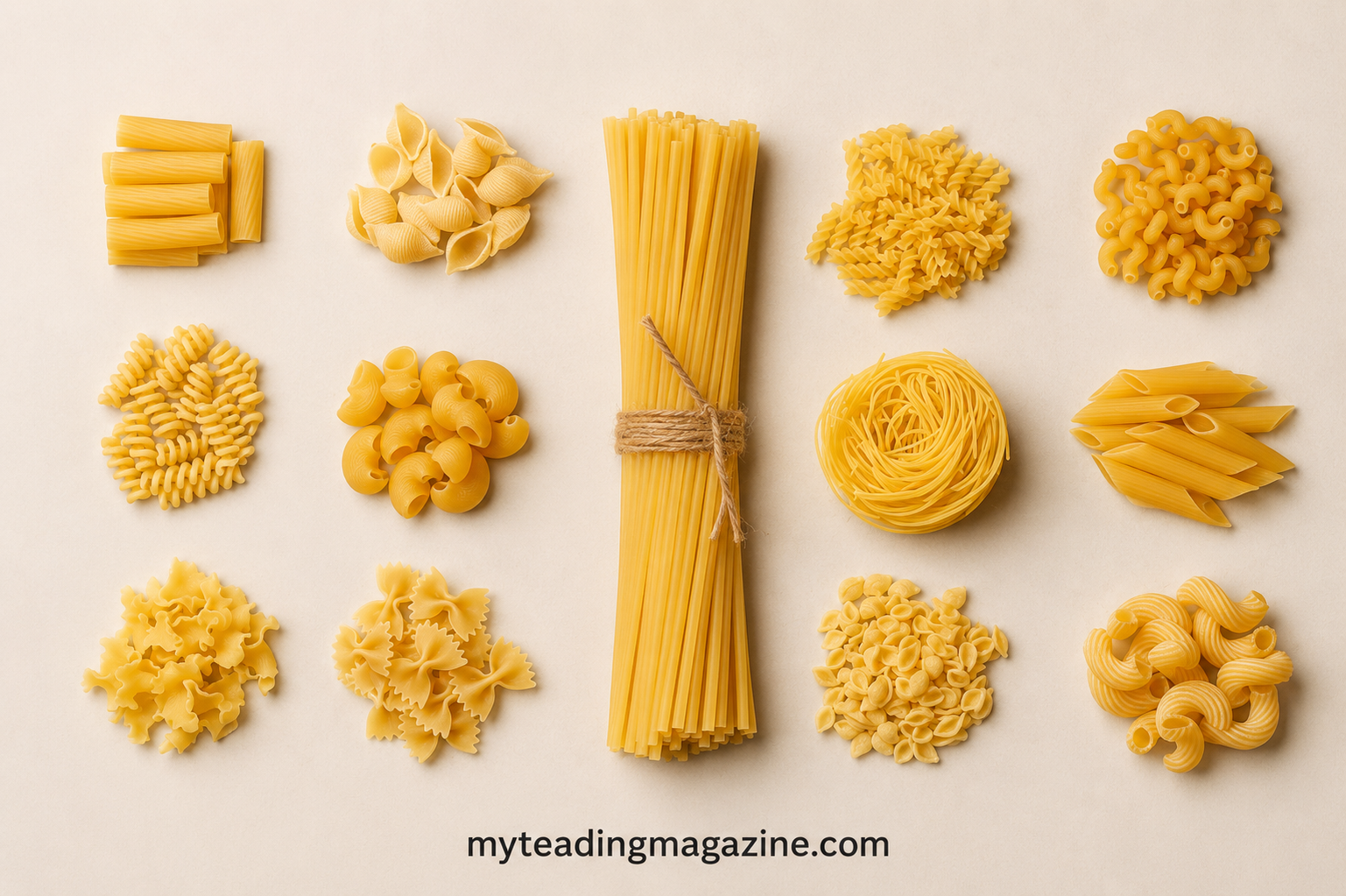
One of the most exciting stages of pasta production is shaping. Different forms are created using molds, rollers, cutters, and extrusion equipment.
Long pasta varieties such as spaghetti are pushed through circular openings. Flat shapes like fettuccine are rolled into sheets and cut into ribbons. Tubular varieties such as penne are formed through specialized dies that create both shape and texture.
The choice of shaping method influences not only appearance but also how sauces cling to the pasta. Ridges, grooves, and curves are intentionally designed to enhance the eating experience.
Common Pasta Shapes and Their Uses
Different shapes serve different culinary purposes. Their design affects texture, sauce absorption, and presentation.
| Pasta Shape | Best Uses |
|---|---|
| Spaghetti | Tomato sauces, seafood dishes |
| Penne | Cream sauces, baked dishes |
| Fusilli | Thick vegetable sauces |
| Farfalle | Light pasta salads |
| Fettuccine | Rich cream-based sauces |
| Ravioli | Filled pasta preparations |
These variations demonstrate how shape contributes to the overall dining experience.
The Science Behind Pasta Texture
Understanding the science behind pasta reveals why proper production techniques matter so much. The texture of pasta depends largely on protein interactions and moisture control.
When semolina and water combine, proteins form interconnected structures. These structures trap starch granules within the dough. During cooking, the starch absorbs water and expands while the protein network helps maintain shape.
Drying also plays a critical role. Controlled drying prevents cracking and preserves structural integrity. If pasta dries too quickly, surface fractures may develop. If it dries too slowly, quality and shelf stability may suffer.
This balance between protein, starch, moisture, and temperature explains why expertly made pasta achieves the ideal combination of tenderness and firmness.
Fresh Pasta vs. Dried Pasta
Many people assume fresh pasta is always superior, but each type offers distinct advantages.
Fresh pasta contains more moisture and often includes eggs. It cooks quickly and delivers a delicate texture. Because of its softness, it works particularly well with lighter sauces and filled pasta dishes.
Dried pasta undergoes a drying process that removes much of its moisture. This gives it a longer shelf life and a firmer texture after cooking. Dried pasta is often preferred for hearty sauces because it maintains structure exceptionally well.
Neither type is inherently better. The choice depends on the recipe, desired texture, and personal preference.
How Industrial Pasta Production Differs From Handmade Pasta
Handmade pasta emphasizes craftsmanship and tradition. The process typically involves small batches, manual kneading, rolling, and cutting. Each piece may have slight variations that add character and uniqueness.
Industrial production focuses on efficiency and consistency. Automated systems measure ingredients precisely, control environmental conditions, and produce large quantities with remarkable uniformity.
Despite these differences, both methods follow the same fundamental principles. Flour, water, mixing, kneading, shaping, and drying remain at the core of pasta production.
Many premium manufacturers blend traditional techniques with modern technology to achieve outstanding results while maintaining large-scale output.
The Drying Process and Why It Matters
Drying is one of the most important stages in determining pasta quality. Freshly shaped pasta contains significant moisture that must be reduced for storage and transportation.
Manufacturers use carefully controlled drying chambers that regulate temperature, humidity, and airflow. The process may take several hours or even longer depending on the pasta type.
Proper drying improves shelf stability and helps preserve texture. It also affects cooking performance. Well-dried pasta is less likely to break, stick together, or become overly soft during boiling.
This stage requires patience and precision, making it one of the most technically demanding aspects of pasta production.
Quality Control in Modern Pasta Manufacturing
Modern pasta producers employ rigorous quality standards throughout the production process. Samples are tested for moisture levels, protein content, cooking behavior, and structural integrity.
Advanced equipment can detect irregularities before products reach consumers. Manufacturers also evaluate color, texture, and consistency to ensure each batch meets established standards.
These measures help maintain reliability and protect consumer confidence. They also ensure that the pasta cooks consistently and delivers the expected eating experience.
Environmental Considerations in Pasta Production
Sustainability has become increasingly important within the food industry. Many pasta manufacturers are adopting environmentally responsible practices to reduce resource consumption and waste.
Efforts include improving water efficiency, reducing energy usage, utilizing renewable power sources, and implementing recyclable packaging materials. Some producers also work directly with farmers to encourage sustainable agricultural practices.
These initiatives help reduce environmental impact while preserving the long-term viability of wheat cultivation and food production.
Interesting Facts About Pasta
Pasta has inspired countless traditions and innovations around the world. Some varieties are designed specifically for regional dishes, while others have become international favorites.
The number of recognized pasta shapes exceeds several hundred, each developed for unique culinary purposes. Certain shapes have existed for centuries, demonstrating the enduring creativity of pasta makers.
Even with modern manufacturing technologies, many traditional techniques remain highly respected and continue to influence contemporary production methods.
Conclusion
Pasta may appear simple, but its creation involves a remarkable blend of agriculture, science, craftsmanship, and tradition. Understanding how is pasta made reveals the careful steps required to transform durum wheat and water into one of the world’s most versatile foods. From selecting high-quality semolina to mixing, kneading, shaping, drying, and packaging, every stage contributes to the final texture and flavor.
Whether produced by hand or through advanced manufacturing systems, great pasta relies on the same core principles. Quality ingredients, proper technique, and attention to detail remain essential. The next time pasta appears on the table, it’s worth appreciating the centuries of knowledge and skill behind every bite.
Frequently Asked Questions (FAQs)
1. What is the main ingredient used to make pasta?
Most traditional dried pasta is made from durum wheat semolina and water. Fresh pasta often includes eggs for added richness and texture.
2. Why is durum wheat preferred for pasta?
Durum wheat contains high protein levels that create a strong structure. This helps pasta remain firm and maintain its shape during cooking.
3. How long does it take to make pasta?
Homemade pasta can be prepared within a few hours. Industrial production times vary depending on shaping and drying requirements.
4. Is fresh pasta healthier than dried pasta?
Neither is automatically healthier. Nutritional differences depend on ingredients, portion size, and preparation methods rather than whether the pasta is fresh or dried.
5. Why does pasta come in so many shapes?
Different shapes are designed to work with specific sauces and dishes. Their structure affects texture, appearance, and how ingredients adhere during eating.




Leave a Reply