
Introduction
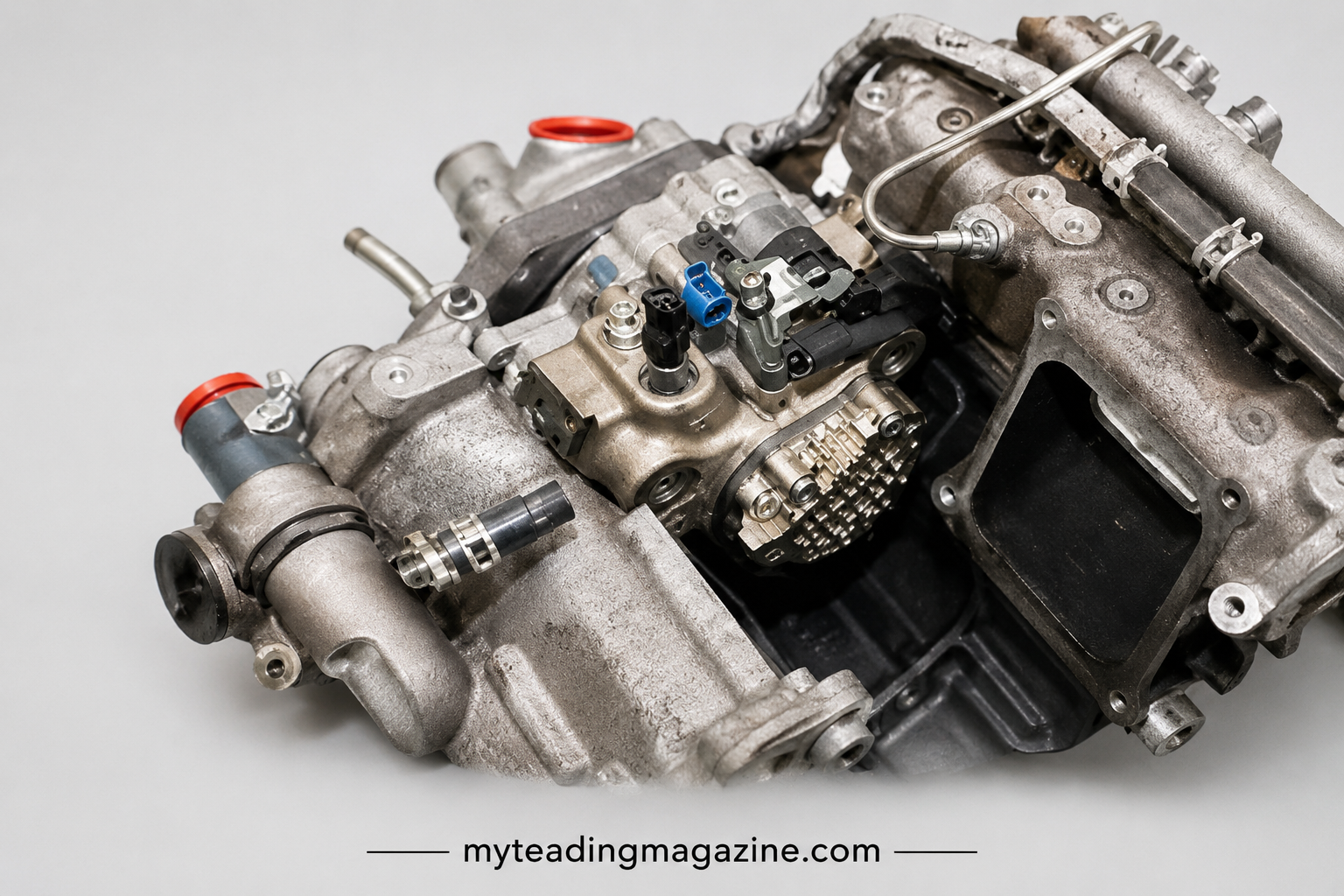
Modern engines rely on precise fuel delivery to achieve the right balance of power, efficiency, and reliability. At the heart of this process is the fuel control actuator, a critical component responsible for regulating the amount of fuel delivered to an engine under different operating conditions. Whether found in diesel trucks, industrial generators, agricultural machinery, construction equipment, or advanced automotive systems, this device plays a vital role in maintaining engine performance.
When a fuel control actuator functions correctly, engines start smoothly, accelerate efficiently, and operate with consistent power output. However, when it begins to fail, drivers and equipment operators may experience rough idling, poor fuel economy, power loss, or even complete engine shutdown. Understanding how this component works can help vehicle owners, technicians, and equipment managers diagnose issues early and prevent costly repairs.
This comprehensive guide explores the purpose, operation, types, applications, symptoms of failure, maintenance requirements, and future developments related to the fuel control actuator. By the end, readers will have a complete understanding of why this small yet powerful component is essential to modern engine systems.
Fuel Control Actuator Overview
Before diving into technical details, it helps to understand the basic role of a fuel control actuator within an engine’s fuel management system.
Quick Information Table
| Feature | Description |
|---|---|
| Component Name | Fuel Control Actuator |
| Primary Function | Regulates fuel delivery to the engine |
| Common Applications | Diesel engines, generators, heavy equipment |
| Control Method | Electronic, hydraulic, or mechanical |
| Main Benefits | Improved efficiency, stable performance, fuel control |
| Common Failure Signs | Hard starting, rough idle, power loss |
| Maintenance Need | Regular inspection and cleaning |
| Typical Lifespan | Varies based on usage and operating conditions |
The actuator acts as a bridge between the engine control system and the fuel injection mechanism. It continuously adjusts fuel flow according to engine demand, ensuring optimal combustion and consistent operation.
What Is a Fuel Control Actuator?
A fuel control actuator is an electromechanical device that controls the amount of fuel entering an engine. Its primary responsibility is to regulate fuel flow based on operating conditions such as engine speed, load requirements, temperature, and throttle input.
Think of the actuator as a highly skilled traffic officer managing vehicle flow at a busy intersection. Too much fuel can flood the engine and reduce efficiency, while too little fuel can result in poor performance or stalling. The actuator ensures that fuel moves at precisely the right rate for every situation.
In electronically controlled engines, sensors collect information from various systems and send data to the engine control unit. The control unit then directs the actuator to adjust fuel delivery accordingly. This continuous communication allows the engine to respond quickly to changing conditions.
The increasing complexity of modern engines has made precise fuel management more important than ever. As a result, the fuel control actuator has evolved into a sophisticated component capable of making rapid adjustments thousands of times during operation.
How a Fuel Control Actuator Works
Understanding the operating principle of a fuel control actuator helps explain why it is so important to engine performance.
Signal Processing and Fuel Adjustment
The process begins when sensors monitor engine conditions. These sensors measure variables such as throttle position, engine speed, intake air volume, and coolant temperature. The collected information is sent to the engine control module.
The control module analyzes the data and determines the ideal fuel quantity needed for current operating conditions. It then sends a command signal to the actuator.
Upon receiving the signal, the actuator moves an internal mechanism that adjusts fuel flow. Depending on the design, this movement may involve opening or closing a valve, changing injector pressure, or repositioning a fuel metering device.
The entire process occurs almost instantly. As driving conditions change, the actuator continuously updates fuel delivery to maintain smooth engine operation.
Real-World Example
Imagine driving a loaded pickup truck uphill. The engine suddenly requires more power. Sensors detect the increased load and communicate with the control system. The actuator responds by allowing additional fuel into the combustion process, enabling the engine to generate the extra power needed for the climb.
Without this rapid adjustment, performance would suffer significantly.
Types of Fuel Control Actuators
Different engine designs require different actuator technologies. Manufacturers select actuator types based on performance requirements, operating environments, and system complexity.
Electronic Fuel Control Actuators
Electronic actuators are among the most common designs used today. They rely on electrical signals from the engine control unit to regulate fuel flow.
These actuators provide exceptional precision and rapid response times. Because they can make minute adjustments quickly, they help improve fuel economy and overall engine performance.
Electronic actuators are widely used in modern diesel engines, commercial vehicles, and industrial machinery.
Hydraulic Fuel Control Actuators
Hydraulic actuators use pressurized fluid to control movement. They are often found in heavy-duty equipment where significant force is required.
One advantage of hydraulic systems is their durability in demanding environments. Construction equipment, mining machinery, and large generators frequently utilize hydraulic fuel control systems.
Although highly reliable, hydraulic designs may require additional maintenance compared to electronic alternatives.
Mechanical Fuel Control Actuators
Mechanical actuators represent a more traditional approach to fuel regulation. These systems use springs, levers, and linkages to adjust fuel delivery.
While less sophisticated than modern electronic systems, mechanical actuators remain common in older engines and specialized applications. Their simplicity often makes them easier to repair in remote locations.
However, they generally lack the precision and adaptability of electronic solutions.
Importance of Fuel Control Actuators in Engine Performance
The significance of a fuel control actuator extends beyond simple fuel regulation. It influences nearly every aspect of engine operation.
Power Delivery
Engines require varying amounts of fuel depending on operating conditions. The actuator ensures the correct fuel quantity reaches the combustion chamber at the right moment.
This precise control allows engines to produce consistent power while avoiding hesitation, surging, or performance drops.
Fuel Efficiency
Fuel costs represent a major operating expense for vehicle owners and businesses. Accurate fuel metering helps reduce unnecessary fuel consumption.
By delivering only the amount of fuel required, actuators contribute to better mileage and lower operating costs.
Engine Stability
Stable engine operation depends on maintaining proper combustion conditions. The actuator continuously fine-tunes fuel delivery to prevent irregular engine behavior.
As a result, engines idle more smoothly and respond more predictably during acceleration.
Component Protection
Excessive fuel delivery can cause overheating, carbon buildup, and premature wear. The actuator helps protect critical engine components by maintaining balanced fuel flow.
Over time, this contributes to longer engine life and reduced maintenance expenses.
Common Applications of Fuel Control Actuators
The fuel control actuator serves a wide range of industries and equipment categories.
| Industry | Typical Application |
|---|---|
| Transportation | Trucks, buses, delivery vehicles |
| Agriculture | Tractors, harvesters, irrigation equipment |
| Construction | Excavators, bulldozers, loaders |
| Power Generation | Diesel generators and backup systems |
| Marine | Boats and commercial vessels |
| Industrial Manufacturing | Stationary engines and machinery |
Each application places unique demands on fuel management systems. Despite these differences, the actuator’s core responsibility remains the same: controlling fuel delivery accurately and efficiently.
Signs of a Failing Fuel Control Actuator
Like any mechanical or electronic component, actuators can wear out over time. Recognizing warning signs early can prevent larger problems.
Hard Starting
A failing actuator may struggle to regulate fuel correctly during engine startup. This can result in extended cranking times or repeated starting attempts.
Cold weather often makes this symptom more noticeable.
Rough Idle
Engines depend on stable fuel delivery when idling. An actuator malfunction can cause fluctuations in fuel flow, leading to vibrations, uneven operation, or engine shaking.
Many drivers first notice problems while stopped at traffic lights.
Loss of Power
Insufficient fuel delivery reduces engine output. Drivers may experience sluggish acceleration, poor towing performance, or difficulty climbing hills.
In severe cases, the engine may enter a reduced-power operating mode.
Increased Fuel Consumption
An actuator stuck in an incorrect position may deliver excessive fuel. This can significantly reduce fuel efficiency and increase operating costs.
Unexpected increases in fuel usage often indicate a fuel system issue.
Engine Stalling
When fuel flow becomes inconsistent, the engine may suddenly shut down. This symptom should never be ignored because it can create safety concerns.
Immediate inspection is recommended when unexplained stalling occurs.
Causes of Fuel Control Actuator Failure
Several factors contribute to actuator problems.
Contaminated fuel is one of the most common causes. Dirt, debris, and water can interfere with internal actuator components, reducing accuracy and causing wear.
Electrical issues also play a major role. Damaged wiring, corroded connectors, or voltage irregularities can prevent proper communication between the control module and actuator.
Mechanical wear is another factor. Continuous movement over thousands of operating hours gradually affects internal parts. Springs weaken, seals deteriorate, and moving components lose precision.
Extreme temperatures and harsh operating environments can accelerate deterioration. Equipment used in mining, agriculture, and construction often experiences higher stress levels than vehicles operating under normal road conditions.
Maintenance and Troubleshooting
Preventive maintenance is the best defense against actuator-related failures.
Regular fuel filter replacement helps prevent contamination from reaching sensitive components. Clean fuel significantly improves actuator reliability and lifespan.
Routine inspections should include checking electrical connections for corrosion or damage. Loose wiring can create intermittent performance issues that are difficult to diagnose.
Technicians often use diagnostic equipment to evaluate actuator performance. These tools measure response times, signal accuracy, and operational consistency.
When troubleshooting, it is important to inspect related components as well. Problems in sensors, wiring harnesses, or control modules can produce symptoms similar to actuator failure.
Replacing parts without proper diagnosis may waste time and money.
Technological Advances in Fuel Control Actuators
Engine technology continues to evolve, and fuel control systems are becoming increasingly sophisticated.
Modern actuators feature improved electronic controls, allowing faster response times and greater precision. These enhancements help engines adapt more effectively to changing operating conditions.
Smart monitoring capabilities are also becoming more common. Some systems continuously evaluate actuator performance and alert operators when maintenance is needed.
Advanced materials have improved durability as well. Manufacturers now use corrosion-resistant components and high-performance sealing technologies to extend service life.
The integration of predictive maintenance systems represents another significant advancement. These systems analyze operating data to identify potential issues before failures occur, reducing downtime and repair costs.
Fuel Control Actuator Selection Considerations
Choosing the correct actuator requires careful evaluation of several factors.
Engine compatibility should always be the first consideration. Even minor differences in specifications can affect performance and reliability.
Operating environment is equally important. Equipment exposed to dust, moisture, vibration, or extreme temperatures may require specialized actuator designs.
Response speed and accuracy should align with application requirements. High-performance engines often demand faster and more precise fuel regulation.
Long-term support is another consideration. Selecting components from reputable manufacturers can simplify maintenance and ensure parts availability throughout the equipment’s lifecycle.
Conclusion
The fuel control actuator is one of the most important components in modern fuel management systems. By regulating fuel delivery with precision, it helps engines achieve reliable performance, improved efficiency, smoother operation, and longer service life. From commercial trucks and agricultural equipment to generators and industrial machinery, this device plays a central role in maintaining optimal engine function.
Understanding how a fuel control actuator works, recognizing early warning signs of failure, and following proper maintenance practices can prevent costly downtime and repairs. As engine technology continues to advance, actuators are becoming even more intelligent, responsive, and durable.
For vehicle owners, technicians, and equipment operators, investing time in understanding this component can lead to better performance, lower operating costs, and greater reliability for years to come.
Frequently Asked Questions (FAQs)
1. What does a fuel control actuator do?
A fuel control actuator regulates the amount of fuel delivered to an engine. It adjusts fuel flow based on operating conditions to ensure efficient combustion and consistent performance.
2. What are the symptoms of a bad fuel control actuator?
Common symptoms include hard starting, rough idling, loss of power, poor fuel economy, engine stalling, and inconsistent engine performance.
3. Can a fuel control actuator be repaired?
In some cases, cleaning or replacing damaged electrical connections may solve the issue. However, severely worn or failed actuators often require replacement.
4. How long does a fuel control actuator last?
Lifespan varies depending on operating conditions, maintenance quality, and fuel cleanliness. Many actuators can operate reliably for thousands of hours before needing service.
5. Is a fuel control actuator important for diesel engines?
Yes. Diesel engines rely heavily on precise fuel regulation, making the fuel control actuator a critical component for performance, efficiency, and reliability.
Red More: Best Places to Fly Drones: Stunning Locations for Aerial Adventures









Leave a Reply