
Introduction
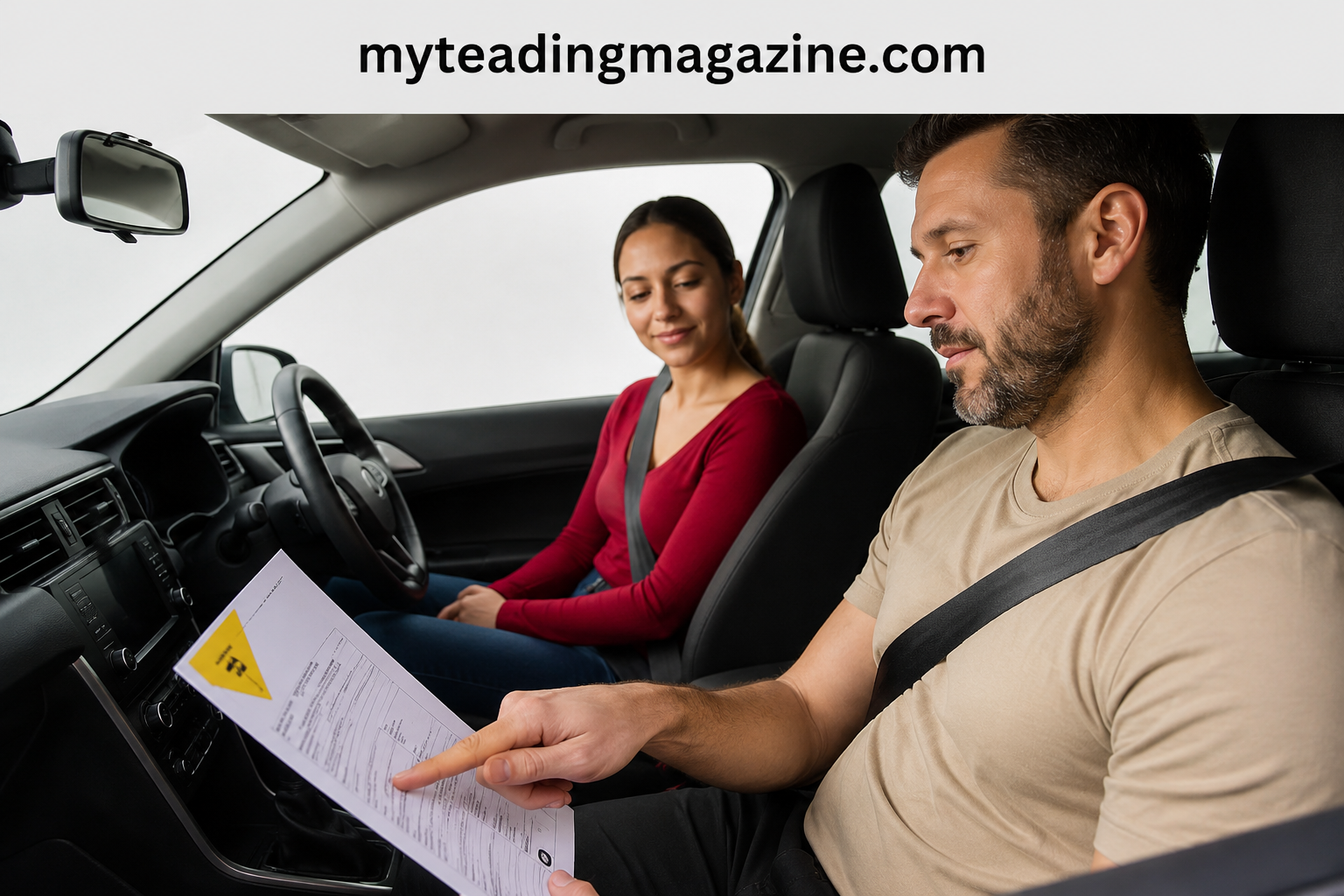
If you’re preparing for a practical driving test in the United Kingdom, understanding show me tell me questions is just as important as mastering parking maneuvers and road awareness. Many learners focus heavily on driving skills but overlook these vehicle safety questions, only to lose valuable marks on test day. The good news is that these questions are straightforward when you know what examiners expect and how to answer confidently.
The purpose of show me tell me questions is to assess whether a driver understands basic vehicle safety and maintenance. They are designed to ensure that motorists can operate a vehicle safely, identify potential problems, and perform essential checks before and during a journey. While they may seem simple, they reflect real-world responsibilities that every driver faces.
This comprehensive guide explains everything about show me tell me questions, including their purpose, structure, common examples, preparation strategies, mistakes to avoid, and practical tips for success. Whether you’re a first-time learner or taking a retest, this article will help you approach this part of the driving examination with confidence.
What Are Show Me Tell Me Questions?
Show me tell me questions are vehicle safety questions asked during the UK practical driving test. They were introduced to ensure learners understand essential vehicle maintenance and safety procedures before receiving a full driving license.
The questions are divided into two categories. The “tell me” question is typically asked before the driving portion begins, while the “show me” question is asked during the drive. Together, they test both theoretical knowledge and practical application.
The examiner wants to see that drivers can carry out simple safety checks without creating distractions or hazards. This knowledge contributes to safer roads and encourages responsible vehicle ownership.
Many learners worry unnecessarily about this section. In reality, it is one of the easiest parts of the practical test when properly prepared.
Quick Overview of the Test Format
The structure of these questions is simple and consistent across practical driving examinations.
| Test Element | When Asked | What It Assesses |
|---|---|---|
| Tell Me Question | Before driving starts | Knowledge of vehicle safety checks |
| Show Me Question | During driving | Ability to operate controls safely |
| Penalty for One Incorrect Answer | Minor driving fault | Does not automatically fail the test |
| Main Goal | Vehicle safety awareness | Responsible driving behavior |
Understanding this format helps reduce anxiety and allows candidates to prepare effectively.
Why Show Me Tell Me Questions Matter
Many learners assume these questions exist only to make the test more difficult. In reality, they serve an important purpose.
Vehicle-related accidents can occur because of neglected maintenance. Something as simple as low tire pressure, faulty lights, or insufficient washer fluid can create dangerous situations on the road. By requiring drivers to demonstrate basic knowledge, licensing authorities encourage safer driving habits.
Consider a driver traveling on a rainy motorway. If the windshield becomes dirty and the driver cannot operate the washer system correctly, visibility may become severely compromised. The ability to use vehicle controls quickly and confidently can prevent accidents.
These questions also encourage long-term vehicle care. Drivers who understand routine checks are more likely to identify issues before they become costly repairs.
Understanding the “Tell Me” Questions
The “tell me” section focuses on explaining how to perform specific safety checks. Candidates are not always required to physically demonstrate the task; they simply need to describe the correct procedure.
Common Areas Covered
The examiner may ask about:
- Tires and tread depth
- Engine oil levels
- Brake performance
- Headlights and indicators
- Windshield washer fluid
- Brake fluid levels
- Power steering
- Horn functionality
Answers should be clear, accurate, and concise. Examiners are looking for understanding rather than memorized speeches.
Example: Tire Safety Question
A common question asks how to check that tires have sufficient tread depth and are roadworthy.
A strong answer would explain that tires should have no cuts or bulges, and the tread depth must meet the legal minimum requirement across the central portion of the tire.
This demonstrates awareness of both legal and safety considerations.
Understanding the “Show Me” Questions
Unlike tell me questions, show me questions require candidates to demonstrate vehicle controls while driving.
These questions are designed to test practical familiarity with the vehicle without compromising safety.
Examples may include operating the windshield wipers, washing the windscreen, turning on rear window demisters, or activating headlights when appropriate.
The key requirement is maintaining control of the vehicle while performing the requested action.
Why Practical Demonstration Matters
Knowing where controls are located before the test can significantly improve confidence. Many learners drive well but hesitate when asked to locate a specific switch or button.
Examiners understand that drivers may need a moment to locate controls, but fumbling excessively can suggest unfamiliarity with the vehicle.
Practice with every major control before test day.
Most Common Show Me Tell Me Questions
Several questions appear more frequently than others because they relate directly to routine driving safety.
Vehicle Lights
Candidates may be asked how they would check headlights and taillights are functioning correctly.
A complete answer explains turning on the lights and walking around the vehicle to verify they are working.
Brake Lights
The examiner may ask how brake lights are checked.
An acceptable answer involves operating the brake pedal while observing reflections or asking another person to confirm the lights illuminate.
Engine Oil
Questions about oil levels are extremely common.
Candidates should explain that the oil level is checked using the dipstick when the engine is cool and parked on level ground.
Windshield Washers
This is one of the most common show me questions.
Drivers may be asked to demonstrate operation of the washer controls while continuing to drive safely.
Steering System
The examiner may ask how to identify faults in the power steering system.
A proper response includes checking for warning lights and ensuring steering remains responsive and smooth.
Table of Frequently Tested Vehicle Components
| Vehicle Component | What You Should Know |
|---|---|
| Tires | Tread depth, pressure, condition |
| Brakes | Warning signs and effectiveness |
| Lights | Operation and functionality |
| Oil | Correct checking procedure |
| Coolant | Safe inspection method |
| Washer Fluid | Location and maintenance |
| Steering | Warning signs of faults |
| Horn | Legal and operational requirements |
Understanding these components provides a strong foundation for answering most questions correctly.
Effective Strategies for Learning Show Me Tell Me Questions
Memorization alone is rarely the best approach. Practical understanding creates stronger recall and greater confidence.
Learn in the Actual Vehicle
Whenever possible, practice in the same car you’ll use for the driving test.
Knowing exactly where controls are located eliminates uncertainty and improves response time.
Muscle memory can be incredibly valuable during practical examinations.
Create Real-Life Associations
Instead of memorizing answers word for word, connect each question to real driving situations.
For example, think about windshield washers during heavy rain or headlights during nighttime travel.
These associations help information stick naturally.
Practice with Another Person
A friend, family member, or instructor can act as the examiner.
Random questioning improves recall and prepares learners for test-day pressure.
Repeated exposure reduces nervousness and increases confidence.
Common Mistakes Candidates Make
Even well-prepared learners occasionally lose marks because of avoidable mistakes.
Overcomplicating Answers
Examiners are not looking for technical lectures.
Simple, accurate explanations are often the best responses.
Long, complicated answers may introduce errors that would otherwise be avoided.
Forgetting Basic Controls
Many candidates spend so much time practicing driving that they neglect learning dashboard controls and switches.
This oversight often becomes apparent during show me questions.
Rushing Due to Nervousness
Test anxiety can cause learners to answer before fully understanding the question.
Listening carefully before responding reduces mistakes significantly.
Learning Answers Without Understanding
Memorized responses may fail if the examiner slightly changes wording.
Understanding the concept behind the answer allows greater flexibility.
How Examiners Assess Your Responses
Examiners do not expect perfection. They primarily assess whether candidates possess sufficient safety knowledge.
A single incorrect answer typically results in a driving fault rather than an automatic failure. However, repeated signs of poor vehicle knowledge can create concerns regarding overall road readiness.
The assessment focuses on:
- Safety awareness
- Practical understanding
- Familiarity with controls
- Confidence and competence
Candidates who demonstrate calm and informed responses usually perform well.
A Real-Life Example of Success
Consider a learner named James who struggled with show me tell me questions during lessons. He could drive confidently but often forgot where controls were located.
Instead of repeatedly reading question lists, he spent ten minutes before each lesson identifying every major switch and control in the vehicle. Within two weeks, his confidence improved dramatically.
During the practical test, he answered both questions correctly and later reported that this section became one of the easiest parts of the examination.
His experience highlights an important lesson: practical familiarity often works better than rote memorization.
Preparing the Night Before the Test
Preparation should be calm and focused.
Review all major vehicle safety checks and spend a few minutes sitting inside the vehicle identifying controls. Avoid late-night cramming sessions that may increase stress.
Get adequate rest and approach the test with confidence.
Remember that the purpose of these questions is not to trick candidates. They simply verify that future drivers possess essential safety knowledge.
The Future of Vehicle Safety Testing
As vehicles become increasingly advanced, driver knowledge requirements may continue evolving. Modern cars already include features such as lane assistance, automatic braking, and advanced warning systems.
Despite these technological advances, fundamental vehicle checks remain essential. Tires, lights, fluids, and visibility systems continue to play a crucial role in road safety.
The principles behind show me tell me questions therefore remain highly relevant, even as vehicle technology changes.
Conclusion
Show me tell me questions are a small but important part of the UK practical driving test. They help ensure that drivers understand essential vehicle safety checks and can operate key controls responsibly. Although many learners worry about this section, proper preparation makes it relatively straightforward.
By understanding common questions, practicing with your vehicle, learning the location of controls, and focusing on real-world safety principles, you can answer confidently and avoid unnecessary faults. These skills extend beyond passing the test—they contribute to safer, more responsible driving throughout your life.
Approach test day with preparation and confidence. A solid understanding of vehicle safety not only improves your chances of success but also helps you become a more capable and reliable driver.
Frequently Asked Questions (FAQs)
1. What are show me tell me questions in a driving test?
They are vehicle safety questions asked during the UK practical driving test. One question is answered verbally, while another requires a practical demonstration during driving.
2. Can I fail my driving test because of show me tell me questions?
An incorrect answer usually results in a driving fault rather than an automatic test failure. However, serious safety-related issues could affect the overall assessment.
3. How many show me tell me questions are asked?
Candidates are typically asked two questions: one “tell me” question before driving and one “show me” question during the drive.
4. Are show me tell me questions the same for every vehicle?
The general topics are similar, but control locations may vary between vehicles. Learners should familiarize themselves with the specific car used for the test.
5. What is the best way to prepare for show me tell me questions?
Practice regularly in the test vehicle, learn the location of all major controls, and understand the purpose of basic vehicle safety checks rather than simply memorizing answers.
Red More: Rojadirecta: Understanding the Popular Sports Streaming Hub







Leave a Reply