
Introduction
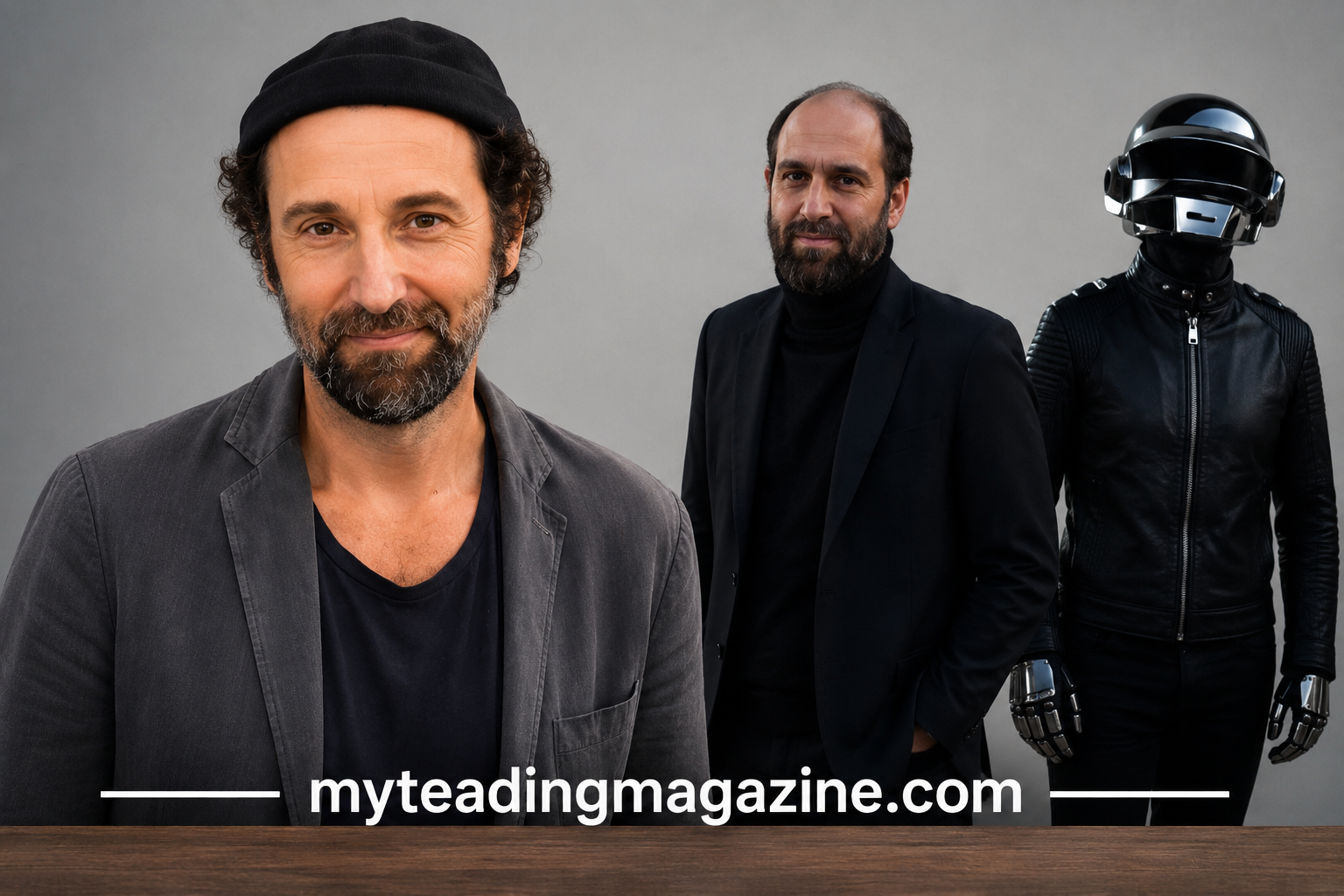
Thomas Bangalter is one of the most influential figures in modern music history. Known worldwide as one-half of the legendary electronic music duo Daft Punk, Bangalter has helped shape the sound, culture, and artistic identity of electronic music for more than three decades. His work extends far beyond chart-topping hits and iconic performances. Through groundbreaking production techniques, innovative visual concepts, film scoring, and artistic experimentation, he has become a symbol of creativity in contemporary music.
The story of Thomas Bangalter is not simply about fame or commercial success. It is about artistic evolution, technological innovation, and a relentless pursuit of originality. From his early years in France to the global phenomenon of Daft Punk and his later solo projects, Bangalter has consistently challenged expectations and pushed creative boundaries. This article explores his life, career, achievements, artistic philosophy, and lasting impact on the music industry.
Thomas Bangalter: Quick Biography
| Detail | Information |
|---|---|
| Full Name | Thomas Bangalter |
| Date of Birth | January 3, 1975 |
| Birthplace | Paris, France |
| Nationality | French |
| Profession | Musician, Producer, Composer |
| Famous For | Co-founder of Daft Punk |
| Genres | Electronic, House, Disco, Experimental |
| Years Active | 1991–Present |
| Notable Works | Daft Punk, Roulé Records, Film Scores |
| Collaborator | Guy-Manuel de Homem-Christo |
Early Life and Musical Influences
Thomas Bangalter was born in Paris into a family with strong artistic roots. His father, Daniel Vangarde, was a successful songwriter and producer who worked on numerous popular European hits. Growing up in a creative household exposed Bangalter to a diverse range of musical styles from an early age.
Unlike many musicians who discover their passion later in life, Bangalter was immersed in music throughout childhood. He experimented with instruments, explored recording techniques, and developed a fascination with sound production. This early exposure gave him a unique understanding of both the artistic and technical aspects of music creation.
The French music scene of the late 1980s and early 1990s also played a significant role in shaping his interests. Emerging electronic sounds, combined with disco, funk, and rock influences, helped create the foundation for his future musical direction.
The Formation of Daft Punk
One of the most important moments in Thomas Bangalter’s career came when he met Guy-Manuel de Homem-Christo. The two young musicians shared a passion for experimentation and formed a musical partnership that would eventually change electronic music forever.
Initially, they played in a rock band called Darlin’. Although the group received mixed reviews, one critic described their music as “daft punky.” Instead of viewing the comment negatively, Bangalter and Homem-Christo embraced the phrase and adopted it as the name of their new electronic project: Daft Punk.
The decision proved historic. Daft Punk quickly gained attention within underground dance music communities. Their unique combination of house music, disco influences, synthesizers, and innovative production techniques distinguished them from other artists of the era.
The Rise of a Global Phenomenon
Daft Punk’s debut album, Homework (1997), introduced listeners to a fresh and energetic sound. Tracks such as “Around the World” and “Da Funk” became international successes and established the duo as major innovators.
Rather than following industry trends, Bangalter and his partner created music that felt authentic and forward-thinking. Their willingness to blend genres helped attract listeners from various musical backgrounds.
The success of Homework laid the foundation for an extraordinary career that would redefine electronic music on a global scale.
Thomas Bangalter’s Creative Vision
What separates Thomas Bangalter from many other producers is his commitment to artistic identity. Throughout his career, he has treated music as part of a larger creative experience.
The robotic personas adopted by Daft Punk are a perfect example. Instead of focusing on celebrity culture, Bangalter and Homem-Christo shifted attention toward the music itself. The helmets became symbols of innovation, mystery, and artistic freedom.
This approach allowed audiences to engage with their work in a unique way. Fans became fascinated by the music, visuals, and concepts rather than the personalities behind them.
Artistic Philosophy
Bangalter has often emphasized experimentation over predictability. His projects frequently combine traditional musicianship with advanced technology.
Several key principles define his creative philosophy:
- Innovation should never replace emotion.
- Technology is a tool for artistic expression, not a substitute for creativity.
These ideas have guided much of his work and contributed to his enduring relevance.
Landmark Albums and Career Highlights
Homework (1997)
The debut album introduced Daft Punk’s signature style and helped popularize French house music internationally. Its energetic rhythms and innovative production techniques influenced an entire generation of electronic artists.
Discovery (2001)
Widely regarded as a masterpiece, Discovery expanded the duo’s sound by incorporating stronger melodic elements, funk influences, and emotional storytelling.
Songs such as “One More Time” and “Harder, Better, Faster, Stronger” became cultural landmarks. The album demonstrated Bangalter’s ability to blend accessibility with artistic sophistication.
Human After All (2005)
This album explored themes of technology, humanity, and repetition. While initially divisive, it gained appreciation over time for its conceptual depth and minimalist approach.
Random Access Memories (2013)
Perhaps the most ambitious project of Bangalter’s career, Random Access Memories celebrated the history of music through collaborations with legendary performers and musicians.
The album’s lead single, “Get Lucky,” became a worldwide phenomenon. It showcased Bangalter’s talent for merging modern production with classic musical influences.
Thomas Bangalter Beyond Daft Punk
Although Daft Punk remains his most famous project, Thomas Bangalter has pursued numerous creative endeavors outside the duo.
Roulé Records
In the mid-1990s, Bangalter founded Roulé Records, an influential independent label focused on house music. The label became known for innovative releases and helped shape the French electronic music movement.
Roulé provided Bangalter with a platform to experiment freely while supporting emerging sounds and production styles.
Solo Productions
Bangalter’s solo work reveals another side of his artistic personality. His individual productions often explore experimental structures, unconventional rhythms, and unique sonic textures.
These projects demonstrate his versatility as both a producer and composer.
Film and Soundtrack Work
Bangalter has also achieved recognition as a film composer. His soundtrack work highlights his ability to create emotional depth through orchestration and cinematic storytelling.
In recent years, he has increasingly explored classical influences, expanding beyond electronic music into broader musical territories.
The Impact of Thomas Bangalter on Electronic Music
Few artists have had a greater influence on electronic music than Thomas Bangalter. His contributions can be seen across multiple generations of producers, DJs, and composers.
His production techniques helped redefine standards within dance music. The use of sampling, filtering, compression, and creative sound manipulation became widely adopted throughout the industry.
Beyond technical innovation, Bangalter demonstrated that electronic music could be both commercially successful and artistically ambitious.
Influence on Future Artists
Numerous contemporary musicians cite Bangalter and Daft Punk as major inspirations. Their influence extends beyond electronic genres into pop, hip-hop, rock, and film music.
Artists have drawn inspiration from:
| Area of Influence | Impact |
|---|---|
| Music Production | Advanced sampling and sound design |
| Visual Identity | Strong artistic branding |
| Live Performances | Innovative stage production |
| Genre Fusion | Combining electronic and traditional music |
| Album Concepts | Storytelling through cohesive projects |
The breadth of this influence highlights Bangalter’s importance as a cultural innovator.
The End of Daft Punk and New Beginnings
In 2021, Daft Punk announced their separation after nearly three decades together. The news shocked fans around the world and marked the end of one of music’s most iconic partnerships.
Despite the breakup, Bangalter’s creative journey did not stop. Instead, it opened new opportunities for artistic exploration.
His post-Daft Punk work has demonstrated a willingness to move beyond expectations. Rather than repeating past successes, he continues to pursue new forms of musical expression.
Exploring Classical Composition
One of the most intriguing developments in recent years has been Bangalter’s growing interest in orchestral and classical composition.
This transition reflects his broader artistic philosophy. Throughout his career, he has consistently sought new challenges and opportunities for growth.
The move into orchestral music illustrates his desire to explore different emotional and creative landscapes while maintaining his distinctive artistic voice.
Personal Life and Public Image
Unlike many celebrities, Thomas Bangalter has maintained a relatively private personal life. He has rarely sought media attention and generally prefers to let his work speak for itself.
This reserved approach contributed to the mystique surrounding Daft Punk. Fans became fascinated by the contrast between the duo’s enormous cultural presence and their limited public exposure.
Bangalter’s commitment to privacy has allowed him to focus on creativity rather than celebrity culture. As a result, his artistic reputation remains at the center of his legacy.
Why Thomas Bangalter Remains Relevant Today
The continued relevance of Thomas Bangalter stems from more than nostalgia. His ideas, innovations, and artistic principles continue to influence contemporary music and culture.
Modern producers frequently build upon techniques that Bangalter helped popularize decades ago. Likewise, his commitment to artistic authenticity serves as an example for creators across disciplines.
In an era dominated by rapid trends and constant visibility, his career demonstrates the value of originality, patience, and creative integrity.
The lasting appeal of his work lies in its ability to feel both timeless and forward-looking. Whether through electronic beats, cinematic compositions, or conceptual artistry, Bangalter continues to inspire audiences worldwide.
Conclusion
Thomas Bangalter stands as one of the most important musical innovators of the modern era. From his early experiments in Paris to the global success of Daft Punk and his later artistic explorations, he has consistently challenged conventions and expanded creative possibilities.
His influence reaches far beyond electronic music. Through groundbreaking production, memorable visual concepts, and a dedication to artistic excellence, he has shaped how modern audiences experience music. The legacy of Thomas Bangalter is not merely defined by chart success or awards but by his ability to inspire innovation and imagination across generations.
For aspiring musicians, producers, and creative thinkers, Bangalter’s journey offers a valuable lesson: true originality comes from curiosity, experimentation, and the courage to follow an authentic artistic vision.
Frequently Asked Questions (FAQs)
1. Who is Thomas Bangalter?
Thomas Bangalter is a French musician, producer, and composer best known as one-half of the electronic music duo Daft Punk. He is widely recognized for his influence on modern electronic music.
2. What is Thomas Bangalter famous for?
He is most famous for co-founding Daft Punk alongside Guy-Manuel de Homem-Christo. The duo created numerous influential albums and became global icons of electronic music.
3. Did Thomas Bangalter work on projects outside Daft Punk?
Yes. He founded Roulé Records, released solo productions, collaborated with various artists, and composed music for films and orchestral projects.
4. Why did Daft Punk break up?
Daft Punk announced their split in 2021. While specific details were not extensively discussed publicly, both members chose to pursue separate creative paths.
5. What makes Thomas Bangalter influential?
His innovative production techniques, artistic vision, genre-blending approach, and commitment to creative experimentation have inspired countless musicians across multiple genres.
Red More: Laurie Holmond: Exploring Her Life, Story, and Public Interest














Leave a Reply